Hi Friends!
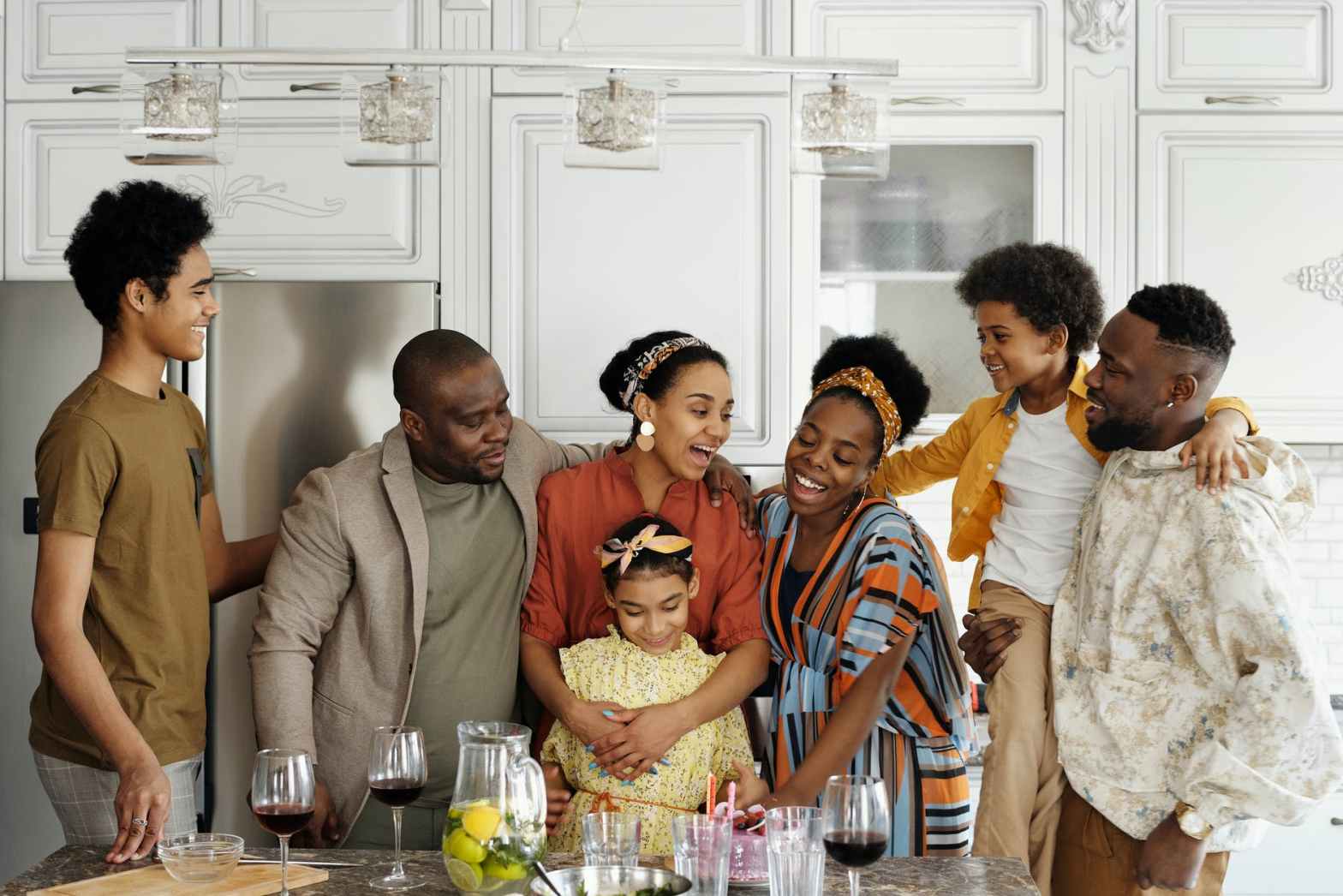
As I run around out here in these internet streets and also connect with real, live, human beings, I am see something beautiful. It is the growth of healthy, organic movements within the black community. I’ll call them movements because I believe they are bringing about a change that in the future we will be able to tangibly quantify. Such movements are not new, but there seems to be new momentum and expansion happening these spaces. People are moving differently. Not for clout or glory, but because they refuse to accept the “status quo” for their lives. I can’t wait to talk about them with you!
For this post, I have identified 3 organic movements that are happening for the sole purpose of growth, change, progress, and community. At least for now, there is no one “leader” or singular formal organization attached to any of this work. For me, this piece is important. As we know, once a leader and organizations form, it is not long until politics, selfish ambition and greed come along. Such intruders can dilute or kill the movements’ potency. Don’t worry, I understand that there is a place for organization, standard practices and processes. But some things need time to grow, undisturbed.
I am praying that the following 3 “movements” will continue as a quiet revolution. At least for as long as they can be effective as autonomous initiatives. In the coming weeks, I’ll bring you more movements that I’d like to highlight to you. Consider adding them to your list of prayer points for the “black community”.
#1 Openly and respectfully addressing mental health
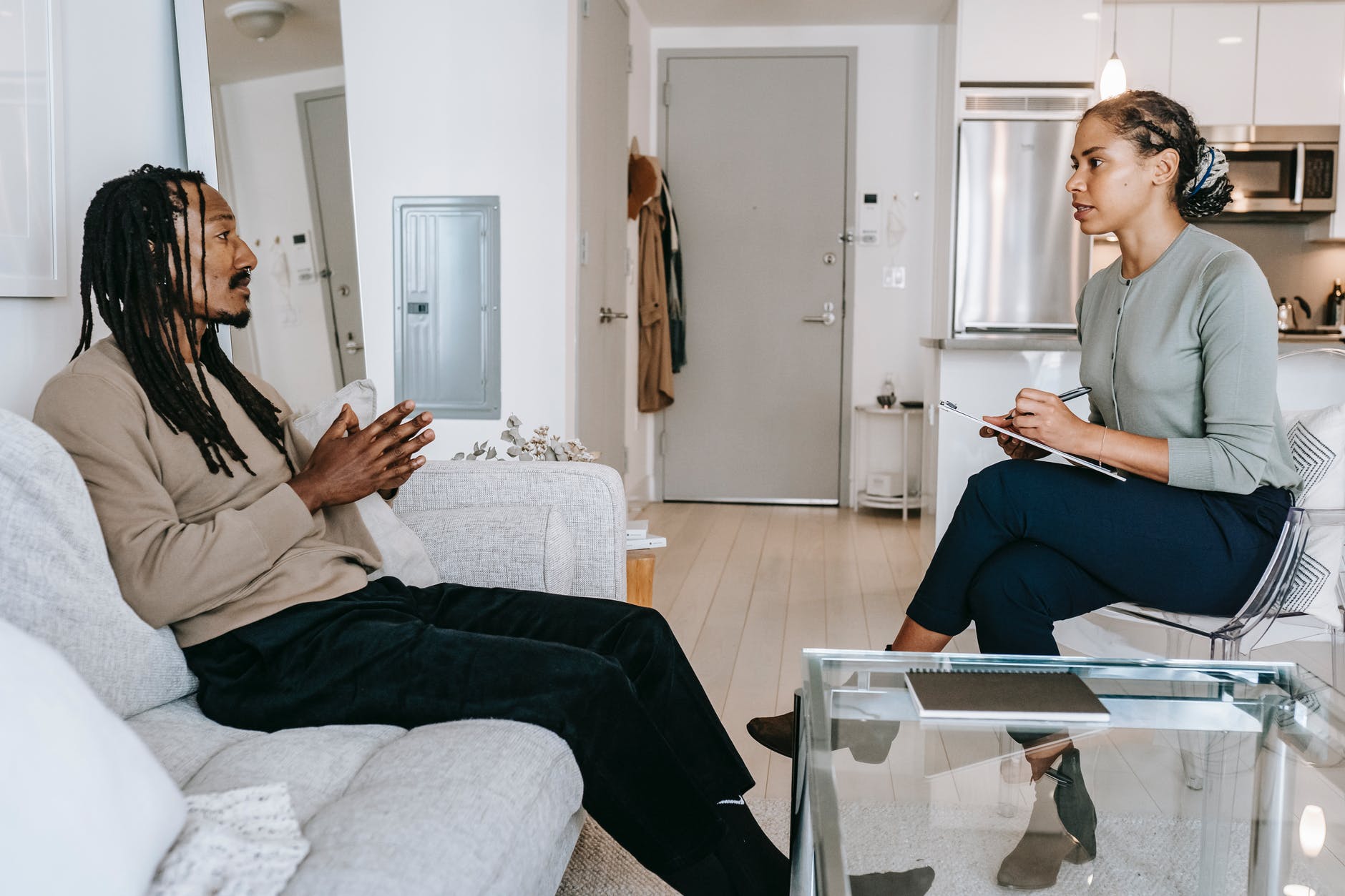
When I was growing up, it used to be that therapy was for “white folks” or “crazy” people. Anybody who was seeing a mental health professional was doing so in secret. Any knowledge of it would result in said person being called “crazy”. I am grateful that today we are realizing more and more that such a paradigm is born out of fear and ignorance. More individuals are coming forward to share that they have therapists for themselves, their marriages, or their children. Others are speaking out about mental illness and how they are being helped and supported by therapy, doctors, and medication. Additionally, some black Americans that have grown up with fear and anger or traumatic environments and are speaking out about the damaging effects to their mental health, relationships, and careers. Black people have always prided ourselves on being “strong”, but more of us are starting to understand that courage is just as powerful. Having the courage to face what ails us gives us a much greater advantage than deceiving ourselves and running away from the vulnerabilities that cripple us. This is significant for us. If we can properly respect the power of and care for this gray matter between our ears, what we can accomplish is untold.
#2 Preventing the Mis-Education of the Negro* with Homeschooling
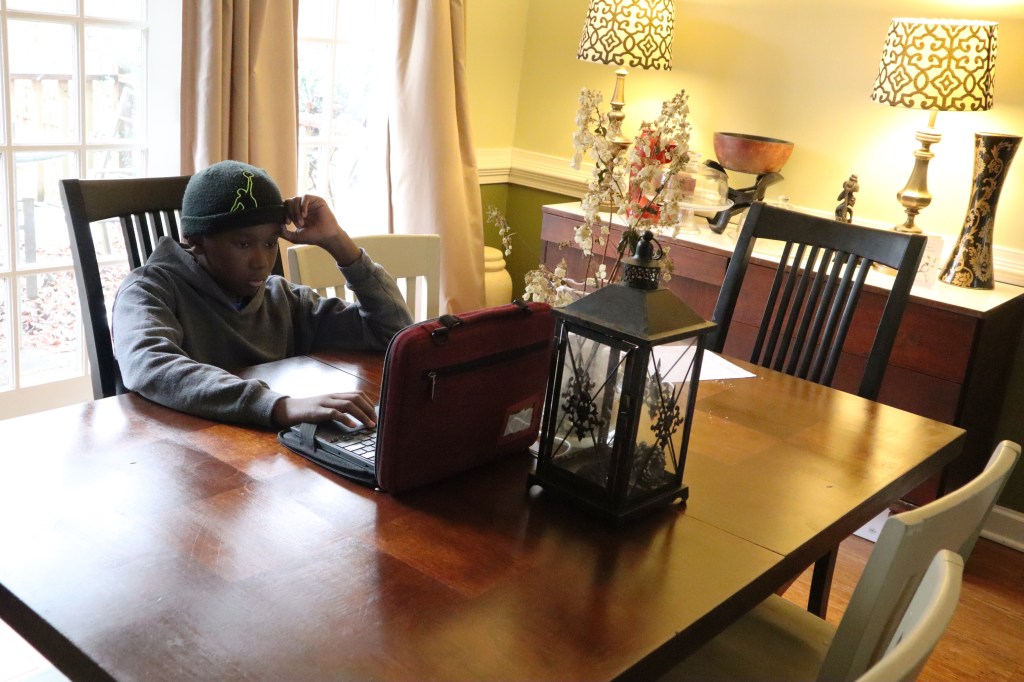
Did you know that homeschooling is on the rise in the African-American homes? Even more so since the pandemic. Additionally, most black homeschoolers have a least one parent with a bachelor’s or master’s degree level education. Some black parents who have experienced discrimination in the school setting have opted for a more affirmative, inclusive, learning environment for their children. Such parents are aware of the studies and data that highlight the pitfall of the American educational system for black children. Black boys and girls receive harsher consequences for lesser or same behaviors as white children. This is actually a norm and not an anomaly. For these reasons, homeschooling has continued to rise in the black among black families. The black community has always understood that education is one major way for us to build self-reliance and capability within our communities. Forbidding enslaved black people to read and be educated was our first clue that education could be a powerful ally. Just look at how the black literacy rate sky rocketed after slavery! Homeschooling families do not have to accept low expectations, discrimination, “white-washed” curriculum, or any other negative that come with a mass educational system. Although not everyone would agree with homeschooling, no one would argue that public school settings are designed for the social, intellectual, and spiritual success of black children. For these reasons, I see the rise of homeschooling for black children as tool of both resistance to the status quo and empowerment.
#3 Using social media to address taboo topics
This, in my opinion, is a big one. Black folks have long had those conversations that we address privately but never in front of white people. We do not believe in airing our dirty laundry. However, with the prevalence of internet engagement, this veil has disappeared. Anyone can go to YouTube, twitter, Facebook and other social media to learn all about how black people are navigating blackness in America. Aside from systemic injustices. Though some of these discussions have to do with having a black face in a white space, many also target anti-black sentiment within our own community and other “taboo” topics. Public conversations are being had about:
- Colorism
- Interracial relationships (black women/non-black men and black men/non-black women)
- Black male rejection of black females (in favor of females of other races)
- Black female rejection of black males ( in favor of males of other races)
- Fatherlessness
- Growing up in a single parent home
- Toxic parenting
- Toxic family dynamics
- Black ignorance
- Black church dysfunction
- and a host of other conversations previously held in confidence because of backlash from others in the “black community” OR because these are discussions we typically don’t want white people meddling into.
These topics tend to carry much pain and trauma. Collectively, they affect a large swath of black Americans. No, we don’t have national black conferences, events, to address these issues as a community. With good reason: these conversations can get messy and go ugly, quickly. However, they are necessary for identifying some of the root causes of dysfunction and disadvantage that many black Americans experience. Social media has provided the platform for these conversations to happen outside of our family and friends. I think that’s a great thing. The transparency that social media platforms provide these discussions is pretty revolutionary. Black people are finding: (a) that they are not alone in their experiences and (b) there other black voices that affirm the truths that must be told. This is a huge step to a healing process that I believe is critical to the full freedom we seek as a people.
Let me know your thoughts on these movements. Are they beneficial? Are you participating in any of them? Are there others that I have overlooked? Next week, I’ll bring you 3 more ways black Americans are empowering from within.
*Reference: The Mis-Education of the Negro by Carter Godwin Woodson
 blackandwhiteandshadesofgreen